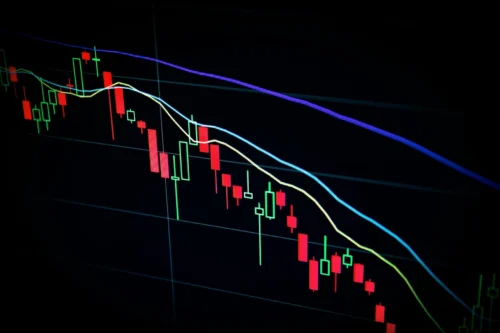
Cross-Asset Sell-Off Intensifies
A broad, multi-asset sell-off accelerated on Nov. 18 as risk appetite weakened. U.S. stocks fell while crypto and gold also slipped, pointing to a synchronized risk-off move, according to major outlets. Reuters and the Wall Street Journal both flagged cross-asset losses and a fragile tone.
Zoom in: Wall Street’s main indexes were lower intraday as valuation concerns and rate-cut jitters lingered. AP also noted losses across Europe and Asia.
Technology Stocks Lead Declines
Technology shares led equity losses, with traders questioning “frothy” AI-related valuations ahead of Nvidia’s results. The Financial Times and Reuters cast Nvidia’s earnings as a key test of the AI-driven rally.
“Technology stocks were the worst hit,” one report said, as megacap names retreated. Anxiety around lofty multiples and heavy capex kept pressure on the sector.
By the numbers:
- The CBOE Volatility Index rose to a one-month high.
- The S&P 500, Dow, and Nasdaq were down around 1%–1.5% intraday.
- Bitcoin fell below $90,000 for the first time since April.
- About $1.2 trillion vanished from crypto in six weeks.
- Gold slipped to a one-week low.
- Traders put December cut odds near 50%, down from over 93% a month earlier.
Crypto Market Crashes Below Key Levels
Bitcoin broke below the $90,000 mark, underscoring a rapid shift in sentiment. Consequently, crypto-linked equities dropped in tandem.
Moreover, around $1.2 trillion in crypto market value evaporated over six weeks, per CoinGecko data cited by multiple outlets. Leverage resets and softer Fed-cut expectations added fuel to the decline.
Gold Falls Despite Risk-Off Sentiment
Gold usually benefits when investors shun risk. However, bullion hit a one-week low as the dollar stayed firm and traders dialed back December cut bets.
Fed Vice Chair Philip Jefferson said the central bank should “proceed slowly” on further cuts, which weighed on gold alongside the stronger dollar. Traders also eyed upcoming U.S. data.
Rising Volatility and Weakening Breadth
Volatility rose as indices pulled back from recent highs. The VIX’s one-month peak signaled a jump in hedging demand.
Additionally, major U.S. benchmarks slipped below short-term technical support, according to available reports, while declines clustered in megacap tech. AP noted Nvidia and other star performers extended losses.
Global Impact: Asian Markets Hit Hard
Losses were global. Asian tech-heavy markets mirrored U.S. weakness as Japan and South Korea led regional declines.
Furthermore, global shares slipped as investors braced for Nvidia’s earnings and U.S. data later in the week. The risk-off tone broadened across regions and assets.
Fed Rate Cut Odds Plunge
Expectations for a December Fed rate cut dropped sharply. Reuters put the odds near 50%, down from over 93% a month earlier.
Therefore, the recalibration in rate expectations removed a key pillar of this year’s momentum. It also tightened financial conditions at the margins, pressuring duration-sensitive assets like growth stocks and gold.
The upshot: The AI trade is at an inflection point, and liquidity-sensitive corners of the market are vulnerable. Cross-asset moves point to tighter risk controls and fading chase for performance.
What’s next: Watch Nvidia’s results for guidance on AI demand and capex. Also watch the dollar, rates, and the VIX for signals on whether this risk-off phase has further to run.
Sources
- Reuters: Wall Street slides as valuation concerns, rate-cut jitters linger
- AP News: A global sell-off for stocks whips back around to Wall Street as Nvidia and other stars keep falling
- Reuters: Bitcoin slides below $90,000 as traders grow cautious
- Reuters: Gold slips to one-week low as traders scale back US rate cut bets
- Financial Times: US tech stocks sell off as traders fret over ‘frothy’ AI valuations
- Financial Times: Crypto market sheds $1.2tn as traders shun speculative assets
- Wall Street Journal: Market Rout Intensifies, Sweeping Up Everything From Tech to Crypto to Gold
- Reuters: Global stocks wary as Nvidia earnings to test AI boom amid bubble concerns