Background: Summers–Epstein Email Disclosures
A House Oversight release last week exposed years of personal exchanges between Larry Summers and Jeffrey Epstein. Reports describe emails from 2013[1]2019, including social coordination, personal advice, and offhand commentary about women’s IQ. According to multiple outlets, Epstein at one point called himself Summers’ “wing man.”
The tranche reportedly spans tens of thousands of pages tied to Epstein-related materials. Consequently, the disclosures have revived scrutiny of elite networks that persisted after Epstein’s 2008 conviction. The documents also show Summers sought personal counsel from Epstein at times, according to available reports.
In governance terms, the emails matter for trust. If personal ties blur boundaries, institutional oversight weakens. Therefore, universities and policy forums face renewed pressure to tighten due diligence.
Sen. Warren’s Call for Harvard to Act
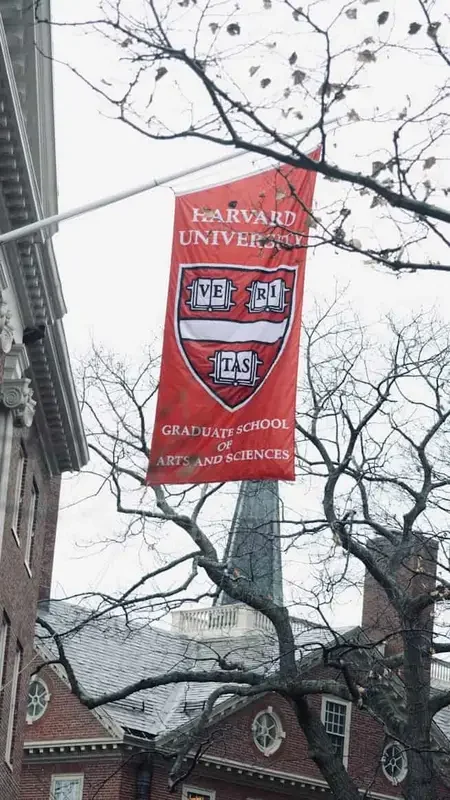
On Nov. 17, 2025, Sen. Elizabeth Warren publicly urged Harvard to sever its relationship with Summers. Warren argued that Summers “cannot be trusted to advise our nation’s politicians, policymakers, and institutions, or teach a generation of students at Harvard or anywhere else.” She added that his “willingness to cozy up to a convicted sex offender demonstrates monumentally bad judgment.”
Politically, Warren’s intervention raises the stakes for Harvard’s leadership. Moreover, it frames the controversy as a test of whether elite institutions can enforce their own standards. It also signals potential pressure on other universities that interact with the same policy network.
Summers’ Response and Continued Teaching Role
Summers has acknowledged serious mistakes. He said he is “deeply ashamed” of remaining in contact with Epstein and pledged to step back from public commitments. “While continuing to fulfill my teaching obligations, I will be stepping back from public commitments,” he said.
This split decision, pausing public roles while teaching, aims to preserve educational continuity. However, it also invites questions about classroom trust and campus climate. Therefore, Harvard’s next steps will carry outsized symbolic weight.
Institutional Fallout: Center for American Progress Cuts Ties
The Center for American Progress has ended its affiliation with Summers following the disclosures. Related public events featuring Summers were canceled or postponed as scrutiny intensified. Consequently, the episode has moved quickly from personal judgment to organizational risk management.
Think tanks sit at the junction of scholarship and policy influence. Thus, their choices often telegraph new norms for partner institutions, donors, and fellows. If one prominent shop draws a line, others may follow to limit reputational contagion.
Implications for Harvard and Broader Policy Circles
The immediate question is how Harvard calibrates accountability, due process, and educational mission. If Harvard moves decisively, it could establish a template for peers. Conversely, hesitancy may erode confidence among students, faculty, and external stakeholders.
Ripple effects: U.S. think tanks, central bank watchers, and advisory councils regularly share talent pools with European counterparts. In the broader European context, universities and policy institutes face similar scrutiny over donor due diligence and fellow affiliations. Therefore, transatlantic forums, where academics brief finance ministries, parliaments, and regulators, may tighten conflict-of-interest checks.
Markets and policy do not operate in separate spheres. If expert credibility is questioned, policy signaling becomes noisier, and market interpretation can suffer. Accordingly, institutions may impose clearer firewalls around external relationships, disclosures, and travel or event sponsorships.
If precedent hardens here, expect stronger vetting of cross-institutional appointments. That could include more explicit guidance on post-conviction associations and advisory boundaries. It could also prompt boards to codify faster review triggers when new disclosures emerge.
For students and junior researchers, the stakes are practical. Networks open doors to grants, data, and jobs. Yet, tighter safeguards can also protect early-career scholars from opaque power dynamics.
Finally, this is a test of values at scale. If transparency and accountability hold, a healthier transatlantic knowledge system follows. But if institutions equivocate, the credibility costs could compound across borders.
What to watch next
- Harvard’s formal decision on Summers’ teaching and advisory roles.
- Additional disclosures or timelines from congressional investigators.
- Whether other U.S. or European think tanks revise affiliation policies.
- Any coordinated guidance from university associations on donor and advisor vetting.
Sources
- The Washington Post: Larry Summers stepping back from ‘public commitments’ over Epstein emails
- The Harvard Crimson: Sen. Elizabeth Warren Urges Harvard to Cut Ties With Summers After Epstein Emails Surface
- WBUR: Larry Summers: ‘I am deeply ashamed’ of staying in contact with Epstein
- Business Insider: Former Treasury Secretary Larry Summers says he’s stepping away from public life after Epstein emails surface
- KEYT (CNN Newsource): Exclusive: Elizabeth Warren calls on Harvard to sever ties with Larry Summers after new Jeffrey Epstein emails
- The Wall Street Journal: Elizabeth Warren: Larry Summers Shouldn’t Be Trusted to Teach at Harvard After Epstein Emails